
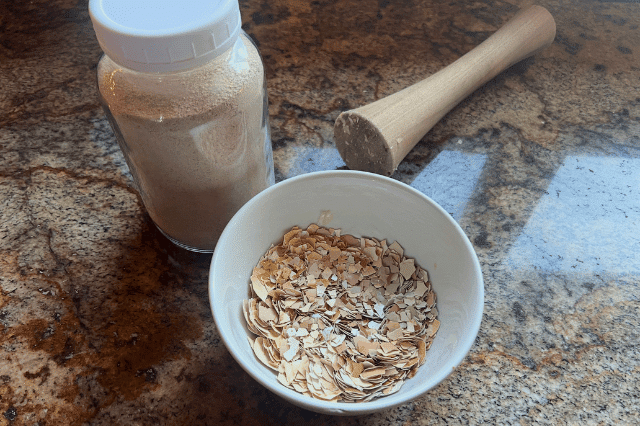
Don’t Throw Away Your Eggshells: How to Turn Kitchen Scraps into Garden Gold
If you’re throwing eggshells in the trash, you’re literally tossing calcium in the garbage.
On our homestead, eggshells never go to waste. We bake them, grind them, and turn them into a fine powder that feeds our soil — especially our tomatoes. It’s simple, free, and wildly effective.
Here’s exactly how to do it, why it works, and whether it actually compares to something like bone meal.
Why Eggshells Matter in the Garden
Eggshells are made up of about 95% calcium carbonate — the same primary compound found in agricultural lime.
Calcium is critical for:
- Strong cell wall development
- Root health
- Overall plant structure
- Preventing blossom end rot (hello, tomatoes)
- Supporting soil microbial life
If you’ve ever grown beautiful tomato plants that suddenly develop black, sunken spots on the bottom of the fruit, that’s usually a calcium uptake issue.
Eggshells are one of the easiest ways to support soil calcium naturally.
The Process: How I Make Eggshell Powder
Here’s exactly what I do:
Step 1: Save Your Eggshells
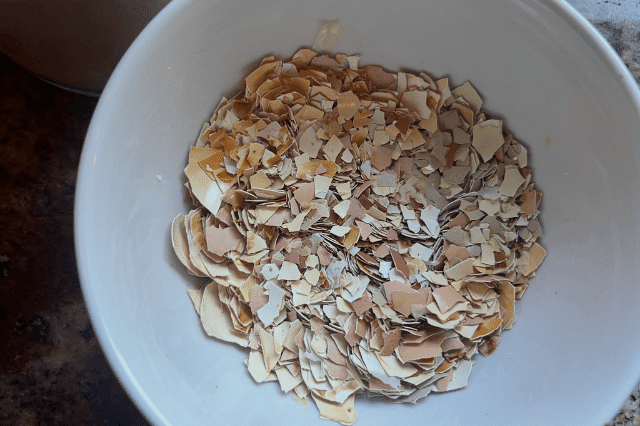
After cracking eggs, I rinse them lightly to remove residue. They don’t need to be spotless — just not slimy.
Step 2: Dry + Bake
Spread shells on a baking sheet.
Bake at 200–250°F until completely dry and crispy (usually 20–30 minutes).
This:
- Kills bacteria
- Makes them brittle
- Makes grinding much easier
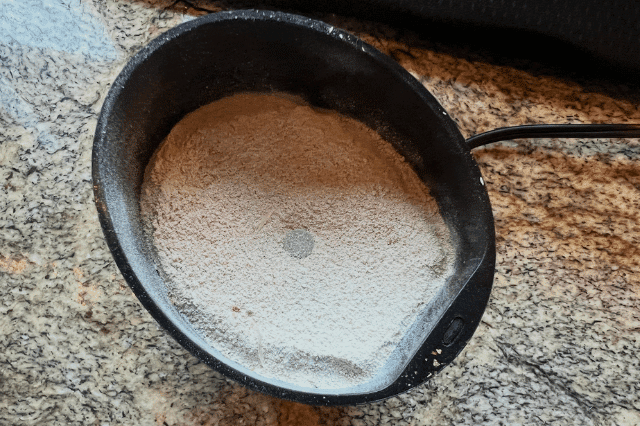
Step 3: Grind into Powder
Once cooled, grind them in:
You want a fine powder, not chunks. The finer the grind, the faster the calcium becomes available to plants.
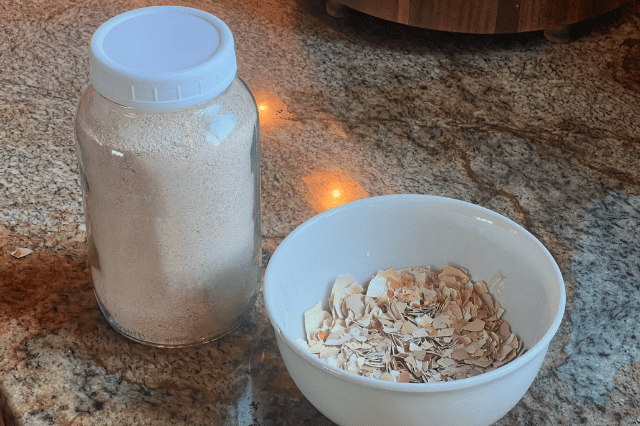
Store in a jar and use as needed.
How to Use Eggshell Powder (Especially on Tomatoes)
1. At Planting Time (Best Method)
Add 1–2 tablespoons of powder directly into the planting hole and mix into the soil before placing your tomato plant.
This gets calcium right where roots need it.
2. Top Dressing
Sprinkle around the base of established plants and lightly work into the soil.
3. Add to Compost
Eggshell powder breaks down faster than whole shells and enriches compost beautifully.
Important Truth: Eggshells Are Not an Instant Fix
Let’s be real.
Eggshell calcium breaks down slowly. It is not a quick rescue if your plant already has blossom end rot.
Calcium uptake issues are often tied to inconsistent watering — not just low calcium in soil.
Eggshells are preventative. They build soil health over time.
If your soil is severely deficient, you may need a faster-acting calcium source temporarily.
Other Uses for Eggshells in the Garden
1. Pest Deterrent (Limited Effect)
Crushed shells around plants are often said to deter slugs. In reality, the results are mixed. They don’t work miracles.
2. Seed Starting Cups
Half shells can be used as biodegradable starter pots.
3. Chicken Feed Supplement
If you raise chickens, you can grind and feed back to them for calcium (just make sure they’re fully dried and crushed).
4. Soil pH Buffering
Because they contain calcium carbonate, they can slightly help buffer acidic soils — but they work slowly.
Eggshell Powder vs. Bone Meal
Let’s compare honestly.
| Feature | Eggshell Powder | Bone Meal |
| Calcium Source | Yes | Yes |
| Phosphorus | No | High |
| Speed of Breakdown | Slow | Moderate |
| Cost | Free | $8–15 per bag |
| Best For | Long-term soil building | Flowering + root support |
Bone meal provides both calcium and phosphorus, which support flowering and root development.
But here’s the thing: If you already eat eggs regularly, eggshell powder is essentially a free calcium amendment.
Savings Analysis
Let’s do simple math.
Average family uses:
2–3 dozen eggs per week
That’s about 150 shells per month.
Roughly speaking:
- 12 shells ≈ 1 cup crushed
- 1 cup of powdered shells equals a decent soil amendment amount
A 4 lb bag of bone meal costs around $10–15.
If you garden all season and use bone meal in every tomato hole, pepper plant, and flowering plant, that adds up quickly.
Eggshells?
You already paid for them when you bought the eggs.
For homesteaders, backyard gardeners, and anyone trying to reduce input costs, this matters.
Pros and Cons
Pros
- Free
- Zero waste
- Supports long-term soil health
- Excellent preventative calcium source
- Reduces dependence on store-bought amendments
Cons
- Slow acting
- Not a quick fix for severe deficiencies
- Requires grinding for best results
- Doesn’t provide phosphorus like bone meal
The Bigger Picture
This is about more than eggshells.
It’s about closing loops in your home.
Instead of:
Kitchen → Trash → Landfill
We’re doing:
Kitchen → Garden → Food → Kitchen
That’s resilience.
That’s self-reliance.
And honestly? It feels really good knowing your tomatoes are growing from something that would’ve otherwise been waste.
If you’re growing tomatoes this year, start saving your shells now. Bake them. Grind them. Feed your soil and your plants!
Your garden (and your grocery bill) will thank you. 🌱🥚
CLICK HERE to Pin this Post


Hi, my name is Kate.
I love food. Real food. We eat all of the things that nursing school taught me were bad for you: butter, eggs, bacon, and raw milk.
I am a Nurse, a Mom, and a Real Food loving blogger. Just trying to save the world.